This blog is about wine and food, and my love for both of them. Thanks for reading!
Showing posts with label Cabernet Sauvignon. Show all posts
Monday, June 16, 2014
Tasting Caymus Vineyards 40th Anniversary Napa Valley Cabernet
This past Saturday I was invited to take part in a virtual tasting of Caymus' 40th Anniversary Cabernet Sauvignon. Proprietor Chuck Wagner hosted a webcast with his sons and daughter, who are also involved in the family business, making other labels like Belle Glos, Mer Soleil, and Emmolo. Total Wine stores around the country held special tastings too, where their customers could sample Caymus portfolio and ask questions to the Wagners. Since there is no Total Wine around me, I was sent a bottle of cabernet and some background information along with an invite to participate in a brief live tasting.
Caymus was of interest to me because I had sold this wine in retail since the 1997 vintage, up through 2007, and always knew it had a popular customer base. I even recall having a 1999 Caymus one year at Christmas - a gift from my then-boss - and absolutely loving it. Priced at around $55-60, it isn't a wine I purchase for my own consumption so when the chance to re-visit this iconic producer came up, I was looking forward to seeing how consistent their style has stayed over the past 15 years.
Chuck Wagner gave a brief introduction to his cabernet and how they produce it, along with giving us some of his views on winemaking, vine age, and stylistic choice. It was interesting to hear him say he doesn't believe that older vines make better cabernet, replanting every 15 years, or that great Napa cabernet doesn't have a lot of acidity. He also discussed tannin management and how he likes very, very soft tannins in his wines. This too struck me as odd but obviously for the Caymus wines, it works. Just check their sales numbers!
2012 Caymus 40th Anniversary Cabernet Sauvignon Napa Valley:
The nose is massively ripe, with notes of blackberry and cassis jam. This holds true to what I remember about Caymus cabernets. Additional notes of cocoa dust, alcohol, and pipe tobacco come out with air. On the palate it's pure sweet, rich, black fruit. A true hedonists cabernet sauvignon. Notes of tobacco and anise come through with some swirling, as well as a sweetness that I suspect comes from a bit of residual sugar. This is like a smooth-riding Cadillac across your palate. It glides through, so cushioned and soft, till the finish. I kept re-tasting the wine to figure out what was going on, but the finish has some sort of burnt quality to it, like burnt wood or burnt sugar. I suspect this comes from American Oak barrels but am not quite sure. Given a few more months, I suspect that burnt quality will settle out. 14.6 abv. $55 SRP.
So there you have it, I re-visited this massive, hedonistic wine. It's a wine I could see Robert Parker giving a high score to, and it's easy to understand why this is so popular with steakhouses. For me, a bone-in New York Strip, medium rare, and a glass of this cabernet would certainly be a fun pairing. I think the meat would help add structure to the wine, whereas the wine's ripe fruit would act as a foil to charred, meaty flavors. That said, after one glass my palate would be screaming at me for something with acidity and structure.
Buy this wine if you love hugely ripe, opulent cabernets. It'll wow you with the ripe fruit and soft, smooth structure.
If you're like me and love high acidity, tart fruit, and loads of minerality, stay away. This is not the wine for you.
Visit the Caymus website here and the Wagner Family of Wine website here.
This was a sample for tasting purposes.
Beau Carufel
Saturday, June 14, 2014
Trione Winery Selections
Yet more wines I was sent a long time ago and am finally now getting around to reviewing. This review will be interesting though, because the Trione Vineyards wines I was sent all came in 50ml bottles. The company tastingroom.com bottled them way back in September 2012 and I am just now getting to taste each one. In total, I was sent six 50ml bottles, each of which is barely good enough for two pours.
Trione is another California winery with an excellent reputation. Their wines were a familiar sight in San Diego and I liked selling them because you always knew that they'd deliver at their price points. It's been nearly a decade though, so I was anxious to taste through the lineup and see if the wines were as I recalled.
As you read through the notes, please bear in mind that these are probably (hopefully) not the current releases from Trione, it's my fault for not getting to them sooner.
2010 Trione Sauvignon Blanc Russian River Valley
The nose shows tart gooseberry and green grass right away, very fresh. Behind that lurk some lime juice and herbaceous qualities. As it opened in my glass, I picked up a flinty minerality that was quite cool. On the palate I can tell that this is softened a little bit by age but it's still got ripping acidity and a linear minerality that I thoroughly enjoy. The fruit seems to be mostly in the background, with touches of grapefruit and papaya showing through. More bracing acidity cleans up the finish beautifully, readying your palate for the next bite. Surprisingly fresh and vibrant, this stuff is almost Muscadet-like. Color me impressed. 14.0% abv. Recommended.
2008 Trione Chardonnay Russian River Valley
It's rare that I get to taste California chardonnay with this much age on it. This one stays traditional, with lots of butter and oak rushing out of the glass. They aren't necessarily overpowering as much as dominating. With some air, I picked up aromas of golden apple, quince, and baking spices. A sip brought plenty of buttercream but a nice hit of acid too. There's enough apple and pear playing around with the vanilla oak and butter to make a really, really nice chardonnay. Acidity dries out the finish in a good way, making me think this needs some grilled sea bass or chicken kabobs. 14.3% abv.
2008 Trione Pinot Noir Russian River Valley
Again, it's rare to taste a RRV pinot with 6+ years of age, so I was looking forward to this one. Initially it's showing age, with notes of dried leather, furniture varnish, red cherry, and old wood. Still, it doesn't smell bad! There's still some acidity on the palate, barely holding together cherries, apple skin, baking spice and white pepper. Still-alive tannin is nicely integrated and I think this would pair well with more delicate meat, salmon and pork. It's not quite my cup of tea but still a really fun wine to taste. 14.2% abv.
2007 Trione Red Wine Alexander Valley
Shows a touch advanced, like it's just settling into some tertiary flavors. Similar to the pinot noir, this has a dusty, leathery element that is pretty interesting. Green herb, cassis, and cocoa powder come through with some swirling. Plenty of barrel spices too, maybe more than necessary. Sipping brings ample black fruit, good acid, and good tannin integration. Mostly cabernet, with merlot, petit verdot, and malbec thrown in. This looks, smells, and acts like a Bordeaux blend that's impeccably crafted. The balance between those advanced aromas and flavors versus the fresher blueberry, boysenberry, and red currant is excellent. If you see a 750ml of this, grab it. 14.5% abv. Highly Recommended.
2007 Trione Cabernet Sauvignon Alexander Valley
Fresher than the red blend, this is still showing plenty of primary fruit. Loads of sweet black cherry and blackcurrant framed by what smells like both French and American oak. That freshness carries over onto the palate too, with more cherries, firm tannin, and plenty of oak. Unfortunately it also gets really hot and sloppy, with perceptible alcohol through the mid-palate and finish. I don't think this is nearly as good as the above red blend. 14.5% abv.
2008 Trione Syrah Russian River Valley
This remained tight despite being open for almost two hours and getting vigorously swirled in my glass. I did manage to tease out notes of black tea, plum, and blackberry preserve. There's a bit of VA present too, which I found distracting. Also, like the cabernet, some alcoholic heat on the nose. On the palate this tastes young-ish, like a wine that is nearly in middle age. That and like it has a bit of brettanomyces. I picked up a distinct medicinal component on the mid-palate and the finish was hollow on the tongue, a big time indicator for brett. Behind the bretty, medicinal note lurked some firm tannins, dusty minerality, and muted fruit. Kind of a bummer because I was really looking forward to tasting this wine. 14.8% abv.
With these wines we batted .500, the sauvignon blanc, chardonnay, and red blend all being worthy of consideration. The other three, pinot noir, cabernet sauvignon, and syrah, had issues which I just can't overlook. Still, Trione clearly makes some very, very good wines and you should feel confident in purchasing (full size!) bottles of the wines I liked. Each promises to be good with food and have the ability to put on a bit of age to boot. I was pleased to find that I still enjoyed Trione after almost a decade of not tasting any of their releases.
The kit from tastingroom.com is really, really cool and gave me just enough wine to do a reasonably proper evaluation. They even include helpful information on how soon to drink the wines and how long they'll (most likely) remain fresh. I think more wineries that send out samples to bloggers might want to look into either this or bottle 375ml's for us, since it wastes far less wine.
These wines were samples for review purposes.
Beau Carufel
Wednesday, June 11, 2014
Spelletich Family Wine Co. Releases
File these under the "samples I discovered while unpacking at our new house" label. I was sent three wines from Spelletich Family Wine Company last year and meant to write them up at that time but with the job, harvest, and moving to a new house all the samples were shuffled into boxes that went into the cellar. I've been slowly unpacking all those boxes and categorizing the wines since the move.
If you drink wine and live in California, chances are you know of the Spelletich Cellars label. I sold the wines with great success back in my retail days, they were always of high quality and priced competitively. In particular, I used to enjoy their cabernet sauvignon. Now, it would appear that the Spelletich family has expanded product lines with one called 3 Spells and one called Spellwine. As explained by the website "SPELLwine, created by Kristen Spelletich, characterized as “A Next Generation” brand produces around 2,000 cases annually, priced from $15-$20. The newest brand, 3 SPELLS, is our“3rd generation” wines, priced from $22-$30 range."
I was approached by the PR rep to try the Spelletich wines and ended up being sent three bottles. The 2009 3 Spells Cabernet Sauvignon from Sonoma Valley and 2011 3 Spells Chardonnay from Lodi, plus the 2009 Spellwine Chardonnay from Mendocino County. Unfortunately, none of the actual Spelletich Cellars wines were included.
2009 Spellwine Chardonnay Mendocino County ($25 retail)
Shows some reduction at first, as well as notes of lemon, struck match, and gun flint. As I swirled, a vegetal aroma came out. Swirling some more to get the reduction in check, I picked up a touch of cream and red apple. On the palate this is soft and smooth, with lemon and pear dominating. A subtle herb and melon thing kicks in, but it's barely there. Very simple and compact, without any layering or nuance. The finish wasn't that great for me, with a chemically aftertaste. 14.2% abv.
2011 3 Spells Chardonnay Lodi ($22 retail)
Smells much, much better than the Spellwine bottle. Ripe lemon, melon, and pears galore. Very fruity and expressive on the nose. The attack is quite soft and easy, like a wine made for sipping on the patio. It tastes low acid (it's Lodi, after all) but has tons of flavor. I found lots of apple and lemon plus a satisfyingly grapey thing. The finish a touch hot from the 14.2% abv, but that would easily be covered up if you served this with a white pizza or grilled shrimp.
2009 3 Spells Cabernet Sauvignon Sonoma Valley ($30 retail)
The bouquet takes me back to working retail in the early 2000's in California. Tons of oak in the form of spicy wood, vanilla, and cocoa. Beyond that likes plenty of black fruit - think cherries and blueberries - surrounded by some black pepper. At first I was worried that this might lack structure, but it doesn't. Firm, grippy tannins reign in the ripeness and even help temper the alcohol. It's a bit hot, just like so many 2000's era California cabs. That said, I think this could be enjoyed on the back deck with grilled burgers or ribs. The tannic finish really begs to pair with something smokey and charred. 14.5% abv.
After tasting these three wines, I gotta say that can't recommend that Spellwine chardonnay. However, I will suggest that if you enjoy bigger, lusher cabernet and chardonnay and spot the 3 Spells wines on the shelf, you give them a shot. Both 3 Spells wines I tasted will stand up to food and are well made, but are also a bit pricey at their wine-searcher.com retail listings. Knock $5-7 off the price of each and then we'll talk about QPR.
To learn more about the Spelletich Family Winery lineup, visit their website.
These wines were media samples for review purposes.
Beau Carufel
Saturday, May 31, 2014
Charles Krug Winery New Releases
The lovely folks at Charles Communications invited me once again to a live virtual tasting of wine, this time featuring four wines from Charles Krug Winery in Napa Valley. I'd recently participated in one featuring the Hourglass Vineyards wines and thought that the opportunity to taste more current release Napa Valley wines was too good to pass up. Also, I hadn't tasted Charles Krug wines since my days working in wine retail in San Diego.
The tasting format was similar to before, with me logging onto a website where a live stream was played for all of us bloggers. Peter Mondavi Jr. and winemaker Stacy Clark tasted along with us, answering questions and giving some great background on the history of both the winery and the Mondavi family's ownership. I highly recommend visiting the Charles Krug website for more detailed information.
Below are the four wines we all tasted:
2013 Charles Krug Limited Release Estate Sauvignon Blanc ($35 srp)
A very pretty opening with plenty of ripe tropical fruit, grass, and hints of jalapeno. Broad and expansie across the palate, showing sweet ripe tropical flavors mixed with spicy jalapeno, cut grass, and a leesy richness. The finish is all citrus, a mix of ruby grapefruit and lemon pith. I'm impressed, this is pretty serious sauvignon blanc but has a playful side too. I suggest pairing it with grilled scallops, pesto pizza, and fish tacos. 13.6% abv.
2011 Charles Krug Napa Valley Merlot ($25 srp)
Opens with bright, spicy red fruit before a rich vein of chocolate and blackberries come into play. Further swirling brings out a persistent but welcome note of green pepper, which acts as a foil to the ripe fruit. Smooth and rich on the palate, this brings a light touch that does a good job expressing merlot's feminine side. Plenty of ripe, red fruit and notes of coconut showcase the smart picking decision and American oak while a fine-grained tannin helps build character. Very, very drinkable merlot that begs for red meat or something hot off the grill. 13.7% abv.
2011 Charles Krug Family Reserve ‘Generations’ ($50 srp)
All sorts of subtlety going on here for me. Lots of green pepper initially, but as you get past that there's beautiful cassis and blackberry mixed with oak and baking chocolate. A hint of herb and fennel comes along too, followed by anise. Firm, with plenty of acidity and tannin, this has all the hallmarks of classic Napa cabernet. Blackberry, cherry, and cassis for the fruit. Herbs and bell pepper on the nose, all bound together with firm tannin and plenty of acidity. This wine toes the line between the old school, low alcohol Napa Valley and the newer, riper style that we've seen since the 90's. Impressive. 13.9% abv.
2011 Charles Krug Family Reserve ‘Howell Mountain’ Cabernet Sauvignon ($75 srp)
On the nose, I believe this could be served to people with the explanation that it is the typical high-end Napa cab aroma profile. Cassis, oak, blackberry, cocoa. They rush out of the glass, followed by black pepper and dried herb. The first word I thought of upon tasting this was "serious". As in, I think this is still a baby and needs several more years to show itself fully. Still, there's a depth and concentration on the palate that left me smiling. 13.7% abv.
Overall the wines were more to my palate than the Hourglass Vineyards selections, though some bloggers did have trouble with the green pepper notes. I welcomed them though, as a foil to the ripeness. Each wine was very well made, showing both balance and accessibility. They just had a rightness to them, a delicious, fulfilling component that I thoroughly enjoyed. Though these wines carry hefty price tags, I believe you do get what you pay for.
Charles Krug Facebook Page
Charles Krug Twitter Account
These wines were media samples.
Beau Carufel
Thursday, September 5, 2013
Jacob's Creek Cabernet, Shiraz, and Pinot Noir
A quickie. I was sent some samples of Jacob's Creek wines to taste earlier this year and finally got around to opening during our hot summer here in Oregon. Without too much fluff, here are the tasting notes and my impressions on each of the three wines I was sent.
2010 Jacob's Creek Reserve Pinot Noir Adelaide Hills: I wasn't a big fan of this one, but some might enjoy it. Smells a bit like eucalyptus mixed with cherry cough drops. Some dusty earth manifests too, but it's definitely muted. The pinot character clearly shines through in this, with bright cherries and cranberries, mixing with herbaceous flavors. As the evening progressed, I re-tasted this several more times and it seemed to just fall apart. The cough syrup notes take over and it becomes disjointed on the palate. Pinot Noir is hard to do on the cheap though. Buyer beware. 13.6% abv. $10 nationally.
2010 Jacob's Creek Reserve Cabernet Sauvignon Coonawarra: Smells dusty, dry, like the Outback. Notes of jalapeño pepper, green herb, dusty trail, and some red fruit. Drying on the palate, and rather soft for a young cabernet. Tart red fruits tend to dominate, but they're somewhat simple. I think this needs a cheeseburger to truly shine. After tasting this several more times through the evening, I concluded that it's a wine on the cusp of being tasty and fun, but it just doesn't get there. At the price point, you can find better. 13.9% abv. $10 nationally.
2010 Jacob's Creek Reserve Shiraz Barossa: Smokey, Barossa-y, spicy shiraz. I like this, especially for the price. It's got a really solid balance between ripe fruit - think plums and black cherry - and drying, astringent tannin. Definitely a wine to have with big foods like barbecued ribs. Easy to find nationally, well made, and very much a wine to drink year-round. Recommended. 14.1% abv. $10 nationally.
If you bat .300 or greater during a baseball career, you're pretty much guaranteed a Hall of Fame selection. Jacob's Creek did just that with these three wines. The shiraz is clearly the superior wine of the bunch and worth your consideration. I can't put my recommendation on the other two though, because while they may be inexpensive and easy to find, they're simply not wines I want you to drink.
These wines were samples for review purposes.
Beau Carufel
2010 Jacob's Creek Reserve Pinot Noir Adelaide Hills: I wasn't a big fan of this one, but some might enjoy it. Smells a bit like eucalyptus mixed with cherry cough drops. Some dusty earth manifests too, but it's definitely muted. The pinot character clearly shines through in this, with bright cherries and cranberries, mixing with herbaceous flavors. As the evening progressed, I re-tasted this several more times and it seemed to just fall apart. The cough syrup notes take over and it becomes disjointed on the palate. Pinot Noir is hard to do on the cheap though. Buyer beware. 13.6% abv. $10 nationally.
2010 Jacob's Creek Reserve Cabernet Sauvignon Coonawarra: Smells dusty, dry, like the Outback. Notes of jalapeño pepper, green herb, dusty trail, and some red fruit. Drying on the palate, and rather soft for a young cabernet. Tart red fruits tend to dominate, but they're somewhat simple. I think this needs a cheeseburger to truly shine. After tasting this several more times through the evening, I concluded that it's a wine on the cusp of being tasty and fun, but it just doesn't get there. At the price point, you can find better. 13.9% abv. $10 nationally.
2010 Jacob's Creek Reserve Shiraz Barossa: Smokey, Barossa-y, spicy shiraz. I like this, especially for the price. It's got a really solid balance between ripe fruit - think plums and black cherry - and drying, astringent tannin. Definitely a wine to have with big foods like barbecued ribs. Easy to find nationally, well made, and very much a wine to drink year-round. Recommended. 14.1% abv. $10 nationally.
If you bat .300 or greater during a baseball career, you're pretty much guaranteed a Hall of Fame selection. Jacob's Creek did just that with these three wines. The shiraz is clearly the superior wine of the bunch and worth your consideration. I can't put my recommendation on the other two though, because while they may be inexpensive and easy to find, they're simply not wines I want you to drink.
These wines were samples for review purposes.
Beau Carufel
Tuesday, August 6, 2013
Paul Dolan Vineyards Cabernet and Sauvignon Blanc
I've written about Paul Dolan Vineyards many times over the course of my blogging career. The wines are almost always excellent values while tasting freakin delicious! Certainly you could do a lot worse at their modest price points.
I confess though, that these wines have sat in the sample rack for damn near one year. It's my own fault so I feel bad. A big apology to Fineman PR for not getting to these sooner!
These wines are from Mendocino County, north of the more well-known Napa and Sonoma areas. Mendocino boasts conditions that are right for several different kinds of grapes, from pinot noir and syrah to sauvignon blanc and pinot grigio. As far as I know, all of their vineyards are either organic or biodynamic, and they even produce certified biodynamic wines. No small feat in this age of fertilizers and chemicals.
2011 Paul Dolan Sauvignon Blanc Potter Valley: I picked up a lot of citrus and melon notes right away, all nicely balanced and in tune with each other. Lively acidity carries the citrus notes across the palate while the summer melon flavor helps give some body. All in all, a clean, simple sauvignon blanc that would pair beautifully with fish and chicken in the summer. $17.99 SRP. 13.5% abv.
2010 Paul Dolan Vineyards Cabernet Sauvignon Mendocino County: Lots of herbs, soil, wood, and cassis aromas. While this smells young, it also has impressive complexity for a $25 California Cabernet. I like the firm, drying tannin and how it balances the ripe blueberry/blackberry flavors. More of the dusty soil flavors come through too, as well as a bittersweet chocolate thing. Needs time to open up but once it does, I think this will be a QPR winner. $25.99 SRP. 14.5% abv.
I think the Cabernet is my preferred wine of the two, it's showing more complexity and depth, and it's got such a similar flavor profile to the Paul Dolan wines I've tasted in the past. This is one you might want to consider stocking up on, as it will continue to drink well for the next ten years or so.
These wines were samples for review.
Beau Carufel
I confess though, that these wines have sat in the sample rack for damn near one year. It's my own fault so I feel bad. A big apology to Fineman PR for not getting to these sooner!
These wines are from Mendocino County, north of the more well-known Napa and Sonoma areas. Mendocino boasts conditions that are right for several different kinds of grapes, from pinot noir and syrah to sauvignon blanc and pinot grigio. As far as I know, all of their vineyards are either organic or biodynamic, and they even produce certified biodynamic wines. No small feat in this age of fertilizers and chemicals.
2011 Paul Dolan Sauvignon Blanc Potter Valley: I picked up a lot of citrus and melon notes right away, all nicely balanced and in tune with each other. Lively acidity carries the citrus notes across the palate while the summer melon flavor helps give some body. All in all, a clean, simple sauvignon blanc that would pair beautifully with fish and chicken in the summer. $17.99 SRP. 13.5% abv.
2010 Paul Dolan Vineyards Cabernet Sauvignon Mendocino County: Lots of herbs, soil, wood, and cassis aromas. While this smells young, it also has impressive complexity for a $25 California Cabernet. I like the firm, drying tannin and how it balances the ripe blueberry/blackberry flavors. More of the dusty soil flavors come through too, as well as a bittersweet chocolate thing. Needs time to open up but once it does, I think this will be a QPR winner. $25.99 SRP. 14.5% abv.
I think the Cabernet is my preferred wine of the two, it's showing more complexity and depth, and it's got such a similar flavor profile to the Paul Dolan wines I've tasted in the past. This is one you might want to consider stocking up on, as it will continue to drink well for the next ten years or so.
These wines were samples for review.
Beau Carufel
Monday, March 18, 2013
Selected Samples From The World Of Wine
Here are some of the wines I've been tasting lately, in no particular order. I don't usually do ratings, so instead of grades, you'll simply see a "recommended" or "not recommended" at the end of each tasting note. I try to link each wine title to the producer, importer, or distributor to make it easy to find locally, but if you have any trouble please don't hesitate to contact me. Enjoy!
NV Carnaval Moscato Brasil: A nose that's all muscat, with accompanying aromas of stale light beer. Peach blossom and tropical fruit dominate. It's plenty fizzy on the palate, as we would expect from the Charmat Method of sparkling. Flavors of Sweet Tart candy and citrus are all there is. 7.5% abv. $13 srp.
NV Carnaval Moscato Red: I wrote "smells like fizzy yellow soda..mountain dew and sprite mixed?". It tastes soapy, also with some flavors of red candy and a lot of sweetness. I bet this would sell like crazy. $13 srp. 7.5% abv.
2010 Tabali Pinot Noir Reserva Especial Limari Valley: Funky, but in a good way. Vigorious swirling helps the funk recede and allows aromas of red licorice, menthol, and earth to come out. It's a bit funky on the palate but I didn't mind because it adds a nice dimension to the otherwise straightforward flavors of red fruit and baking spices. The finish was appealing, medium length with a gentle taper. Firm tannin shows that this wine can stand up to some heartier fare. 13.5 abv. $20 srp. Recommended.
2009 Napa Cellars Stagecoach Vineyard Cabernet Sauvignon: Aromas of wood, spices, ripe black berry fruit, and wood smoke are immediately apparent. This wine needs some time in a decanter or several more years in the cellar. On the palate there is plenty of acidity and tannin, framing flavors of cassis, plum, spices, and saddle leather. A very straightforward, delicious Napa Valley Cabernet. 13.8% abv. $48 srp.
2009 Bayo Oscuro Syrah Casablanca Valley: Opens with a reductive nose that blows off to show smoked meat, red fruit, damp soil, and mushroom aromas. After settling down in my glass, this syrah reveals red fruit and dusty soil mingling with peppery spice. The tannins are outstanding, integrated yet firm. I thoroughly enjoyed the mouthfeel and feel that this is just now starting to ascend to its peak. 14.5% abv. Highly Recommended. $29 srp.
2009 Chamisal Grenache Edna Valley: A bit odd on the nose, subtle hints of red wine vinegar, strawberries, red soil, and a somewhat jarring medicinal note. This grenache was much better tasting though, with plenty of bright, ripe fruit - think cherries and cranberries, bound up in a mix of white pepper and oak. Lots of firm tannin held the wine together while a vein of acidity lent freshness and lift. Needs air, I suggest decanting for an hour or two. $38 srp. 14.8% abv.
2010 Concannon "Crimson & Clover" Livermore Valley: Tons of ripe red fruit rush out of the glass, followed by aromas of American oak, mint, and campfire. What it may lack in complexity, this Concannon makes up for in juicy drinkability. It's soft and smooth on the palate, with flavors of strawberry, licorice, and red cherry. Clean, and simple, and very reasonably priced. 50% Petite Sirah, 25% Cabernet Sauvignon, 15% Syrah, and 10% Zinfandel. 13.7% abv. $18 srp.
2008 Somerston Wine Company Highflyer "Centerline" California: Another red blend from California, consisting of 81% Syrah, 12% Petite Sirah, 3% Zinfandel, and 4% Tempranillio. Baking chocolate, jammy black fruit, oak, and roasted meat aromas manifest quickly. There is a bit of heat from the 14.8% abv too. This is a big, hedonistic fruit bomb on the palate; jammy black fruit, tobacco, and peppery spice all show up in large quantities. Open a few hours before serving. $20 srp.
2010 Concannon Petite Sirah California: A straightforward nose of jammy cherries and blueberries, earth, and black pepper don't promise much beyond a fun, simple, barbecue red. This is big and soft, with more of that ripe, jammy fruit on the palate. Simple and easy drinking, I suggest opening this when you're all hanging out by a barbecue or fire pit. 13.8% abv. $11 srp. Recommended.
Stay tuned for the next samples list, (hopefully) coming soon!
These wines were received as samples for review purposes.
Beau Carufel
Friday, January 18, 2013
Hawk and Horse Vineyards, a Lake County Producer
Every so often I'm sent samples that truly pique my curiosity No grocery-store red blends or cheap California plonk, but real, small production wines from tiny producers in up and coming regions. Hawk and Horse Vineyards is one of those, hailing from the Red Hills AVA of Lake County. Currently there are 18 acres under vine with the majority being cabernet sauvignon planted in 2001. The property is situated on the rolling slopes of Lake County, at elevations ranging from 1,800 to 2,200 feet.
Hawk and Horse Vineyards has been Demeter Certified since 2008 and California Certified Organic (CCOF) since 2004. Both new and used French Oak barrels are used, and production hovers around 1,150 cases of cabernet sauvignon.
Confession: I was sent the 2007 Cabernet and 2006 Latigo a long time ago, but they became lost in the samples shuffle and move to Oregon. I dug them out for our July 4th celebrations (last year), figuring that the cabernet would pair well with Becky's ribs and the dessert wine would be a pleasing accompaniment to the fireworks. The cabernet did pair quite well with Becky's ribs, by the way.
Some months later, I was sent the 2008 Cabernet to taste, and decided to post up a review of all three wines at once, in order to better offer a view of this producer.
2007 Hawk and Horse Cabernet Sauvignon Red Hills: Smelling this makes me picture dry, hilly vineyards full of green-leafed vines stretching to the horizon. The day is cool but carries with it the scent of the land. Moutain herbs, black fruit, and soil all show themselves almost reluctantly on the bouquet. Unfortunately there's a touch of ethyl acetate at play too, manifesting as nail-polish. Once past that, I found this to be wound up very tightly on the palate. The firm, integrated tannin holds within it a beautiful savory blackberry and spice flavor. Roasted coffee mixes with cassis and dried rosemary in the background, bowing before the impressive tannic strength. I think this cabernet has 5-10 years before the tannin settles down. If you choose to drink now, a healthy session in a decanter will loosen the strings. SRP: $65. 14.1% abv.
2006 Hawk and Horse Latigo: This is the dessert wine - made with cabernet sauvignon grapes - that Hawk and Horse produces. According to the label, these are biodynamically farmed organic grapes. I'm not sure what that means though. The Latigo smells like oxidized cabernet sauvignon. Maybe a comparison would be Madeira from an old bottle you've had open for a few months. Don't let that turn you off though, because taken in context, this is an interesting wine. Roasted nuts, dried red cherry, and dark chocolate make up the expressive bouquet. I liked the intense mix of cherry, spices, and chocolate that compose the flavor palette. It's at once sweet yet balanced, and doesn't show any of the 16% alcohol. If you can get past the nose, you'll be doing just fine, and I suggest pairing this with an after-dinner cheese course. $45 srp (375ml).
2008 Hawk and Horse Cabernet Sauvignon Red Hills: Another big, tannic beast of a cabernet sauvignon. That's not a bad thing though, as this wine has a lot to offer if you give it time to settle. Plenty of dark fruit, dusty soil, baking chocolate, and oak make up the complex bouquet. The tannin is firm and drying across the palate, delivering a wave of bittersweet chocolate, dried herb, and ripe black fruit flavors. The most glaring fault was how hollow this wine felt on the mid-palate, but luckily that fills in when you have it with food. If you must drink now, several hours in a decanter will work wonders, as will a thick, medium rare cut of steak. $65 srp. 14.1% abv.
Hawk & Horse Vineyards produce a cabernet that I think you should try, if solely to understand what kind of cabernet is possible outside of Napa Valley. Then again, trying a wine solely for that reason strikes me as missing the point, especially the point of wines like this. They're wines of the land, baring their souls as rugged, strong wines from a distinctly rugged place.
The impressive structure and sheer age-worthiness of these wines excite me. They're a bit rustic around the edges to be sure, and I think could benefit from maybe a bit more intervention in the wine-making process, but there is also a sense of beauty to each wine. Both the 2007 and 2008 beg for more time in bottle, and if you grant them such time, you'll be rewarded.
Even the Latigo, that strange beast of a dessert wine, offers a peek into the Hawkins' philosophy of life and vitality. I can't help but be impressed with this.
These wines were samples for review purposes.
Beau Carufel
Hawk and Horse Vineyards has been Demeter Certified since 2008 and California Certified Organic (CCOF) since 2004. Both new and used French Oak barrels are used, and production hovers around 1,150 cases of cabernet sauvignon.
Confession: I was sent the 2007 Cabernet and 2006 Latigo a long time ago, but they became lost in the samples shuffle and move to Oregon. I dug them out for our July 4th celebrations (last year), figuring that the cabernet would pair well with Becky's ribs and the dessert wine would be a pleasing accompaniment to the fireworks. The cabernet did pair quite well with Becky's ribs, by the way.
Some months later, I was sent the 2008 Cabernet to taste, and decided to post up a review of all three wines at once, in order to better offer a view of this producer.
2007 Hawk and Horse Cabernet Sauvignon Red Hills: Smelling this makes me picture dry, hilly vineyards full of green-leafed vines stretching to the horizon. The day is cool but carries with it the scent of the land. Moutain herbs, black fruit, and soil all show themselves almost reluctantly on the bouquet. Unfortunately there's a touch of ethyl acetate at play too, manifesting as nail-polish. Once past that, I found this to be wound up very tightly on the palate. The firm, integrated tannin holds within it a beautiful savory blackberry and spice flavor. Roasted coffee mixes with cassis and dried rosemary in the background, bowing before the impressive tannic strength. I think this cabernet has 5-10 years before the tannin settles down. If you choose to drink now, a healthy session in a decanter will loosen the strings. SRP: $65. 14.1% abv.
2006 Hawk and Horse Latigo: This is the dessert wine - made with cabernet sauvignon grapes - that Hawk and Horse produces. According to the label, these are biodynamically farmed organic grapes. I'm not sure what that means though. The Latigo smells like oxidized cabernet sauvignon. Maybe a comparison would be Madeira from an old bottle you've had open for a few months. Don't let that turn you off though, because taken in context, this is an interesting wine. Roasted nuts, dried red cherry, and dark chocolate make up the expressive bouquet. I liked the intense mix of cherry, spices, and chocolate that compose the flavor palette. It's at once sweet yet balanced, and doesn't show any of the 16% alcohol. If you can get past the nose, you'll be doing just fine, and I suggest pairing this with an after-dinner cheese course. $45 srp (375ml).
2008 Hawk and Horse Cabernet Sauvignon Red Hills: Another big, tannic beast of a cabernet sauvignon. That's not a bad thing though, as this wine has a lot to offer if you give it time to settle. Plenty of dark fruit, dusty soil, baking chocolate, and oak make up the complex bouquet. The tannin is firm and drying across the palate, delivering a wave of bittersweet chocolate, dried herb, and ripe black fruit flavors. The most glaring fault was how hollow this wine felt on the mid-palate, but luckily that fills in when you have it with food. If you must drink now, several hours in a decanter will work wonders, as will a thick, medium rare cut of steak. $65 srp. 14.1% abv.
Hawk & Horse Vineyards produce a cabernet that I think you should try, if solely to understand what kind of cabernet is possible outside of Napa Valley. Then again, trying a wine solely for that reason strikes me as missing the point, especially the point of wines like this. They're wines of the land, baring their souls as rugged, strong wines from a distinctly rugged place.
The impressive structure and sheer age-worthiness of these wines excite me. They're a bit rustic around the edges to be sure, and I think could benefit from maybe a bit more intervention in the wine-making process, but there is also a sense of beauty to each wine. Both the 2007 and 2008 beg for more time in bottle, and if you grant them such time, you'll be rewarded.
Even the Latigo, that strange beast of a dessert wine, offers a peek into the Hawkins' philosophy of life and vitality. I can't help but be impressed with this.
These wines were samples for review purposes.
Beau Carufel
Saturday, December 29, 2012
Wines of Chile: Masterclass
![]() |
| (attribution: http://starchefs.com/cook/features/chilean-wines) |
This tasting consisted of three sauvignon blancs, three pinot noirs, three carmeneres, and three cabernet sauvignons. The latter two having wines that were also blends in the flight. Pricing ranged from around $13 all the way to $65 for one of Chile's most famous wines, the Los Vascos "Le Dix" Cabernet Sauvignon.
I'm not sure how the wines were selected or by whom, but I know that Master Sommelier Fred Dexheimer was once again our gregarious, energetic host. He's being paid by the Wines of Chile trade group to promote their member wineries throughout the United States. Fred also makes a mean Pisco Sour. Representatives from each winery in the tasting were also on hand (via satellite) to discuss the wines and answer any blogger questions.
Unfortunately I've lagged on finishing this blog post. Still, I'm glad to share with you a tasting of twelve wines, white and red, from all over Chile. Instead of assigning numbers or grades to the wines, look for a simple "recommended" or "not recommended" after each tasting note. To explain, if I recommend a wine here it's because I feel it represents good quality-to-price ratio (QPR), tastes delicious, and is (relatively) flaw-free.
With that, I present twelve wines from across Chile's varied growing regions:
Sauvignon Blanc
1. 2012 Vina Casablanca "Nimbus" Sauvignon Blanc Casablanca Valley: Plenty of grassy notes mixed with citrus come rushing up out of the glass. They persist on the palate too, helped by plenty of crisp acidity. There isn't a lot going on in this wine but what does exist is proportioned quite well. If you need a versatile food white, pick up a bottle and see for yourself, it will pair with most anything. All for only $13. Recommended.2. 2011 San Pedro 1865 Sauvignon Blanc Leyda Valley: Amping up the aromatics and mouthfeel (as well as the price), this beautiful sipper brings the same green grass note as in the first wine, but it's restrained by more citrus and hints of tropical fruit, considerably brightening up things. Plenty of acidity helps the wine move along across your palate, but it veers into the "bitter wine face" a few too many times. That disjointed nature dooms this sauvignon blanc for me. Not recommended. $19 SRP.
3. 2011 Casa Silva Sauvignon Blanc Colchagua Valley: Things start to get really interesting with this wine, and they should for $25 a bottle. It had some hallmarks of Sancerre, with the mineral and lime notes, but also a beautiful undercurrent of tart pineapple and other tropical flavors. I was impressed with the complexity and kept coming back to it as the night went on. Some of the other bloggers weren't too keen on it, but I felt that Casa Silva nailed the flavor profile for a cool climate sauvignon blanc without going too far into the gooseberry/cat piss side. Highly recommended.
Pinot Noir
4. 2010 Emiliana Novas Pinot Noir Casablanca Valley: My tasting notes refer to lots of fruit on the nose, with red cherry, strawberry, and hints of spice. I like how straightforward and unassuming this pinot noir is, but wish for more complexity. At $19, it's not expensive at all but I could pull a lineup of $20 Oregon pinots out that would blow this pinot out of the water. The finish was a bit short as well, but I liked the sheer "yummy" factor. Simple wine, yet tasty. Still, not recommended.5. 2009 Cono Sur 20 Barrels Pinot Noir Casablanca Valley: My first bottle was corked so the Wines of Chile folks kindly sent another. This big, 14.5 percent abv pinot has some "interesting" attributes. On the nose there is a bit of alcoholic heat coming through. Also present, aromas of vanilla, earth, and red fruit. Where this gets tasty is after you take a sip. Plenty of tannin (odd, no?) frames bright red fruit, dusty soil, black pepper, and baking spice. The finish is clean and taut, indicating that this is still a baby of a wine. Yes, it's $32 a bottle but it has a lot of potential! Recommended.
6. 2009 Morande Gran Reserva Pinot Noir Casablanca Valley: I couldn't figure this pinot out. Aromatically it was like a red cherry jolly rancher mixed with eucalyptus oil and dried-out pizza box. On the palate there was plenty of acidity to keep things light, but that weird cardboard thing kept showing up. The bright fruit was nice and the herbaceous flavors kept things interesting. The bottle wasn't corked or suffering from brettanomyces, as far as I could tell. Not recommended. $17.99 srp.
Carmenere
7. 2010 Concha y Toro Marques de Casa Concha Carmenere Cachapoal Valley: Weirdly enough, this bottle was also bad, with something happening after it was made and before I received it. Another bottle replaced. On the nose there was oak and buttered popcorn aromas (diacetyl) that overlaid secondary aromas of sliced jalapeno. After sitting for about an hour, the wine calmed down quite a bit. Nicely integrated tannin helped along by some vibrant acidity enfolded flavors of green pepper, dried herb, red berry fruit, and wood. This wine desperately needs food, if you buy it. $22 srp. Recommended.8. 2010 Carmen Gran Reserva Carmenere Apalta Colchagua Valley: Thin to the point of being delicate on the nose. More of that green aroma and some wood influences, but also notes of plum and cranberry. I can't say this wine was a tour de force of carmenere but I did like how food-friendly it was. Good acidity that brought high toned red fruit and spices along for the ride. A clean, quick finish that readied the palate for another sip, and a very nice price point. Just wish for more interesting flavors! Still, $14 is hard to beat. Recommended.
9. 2009 Koyle Royale Carmenere Colchagua Valley: A blend of carmenere, petite verdot, and malbec. Some bloggers loved it, I felt it was a mess. Too much VA (volatile acidity) to make any sense of what was going on. The people tasting with me felt it was downright unpleasant to drink. $25.99 srp.
Cabernet Sauvignon
10. 2009 Ventisquero Grey Cabernet Sauvignon Maipo Valley: Six percent petite verdot, the rest cabernet sauvignon. Seemed a bit undeveloped and too soft. What I mean by that is there wasn't much in the way of flavor integration, and there was a perceptible lack of tannin. Also, the wine simply didn't bring much complexity to the table. I re-tasted it several hours later and it had not appreciably developed anything interesting. I'm not sure if it was over-oaked or from young vines or what. For $29, there are far better choices to spend your hard earned money on. Not recommended.12. 2009 Los Vascos "Le Dix" Cabernet Sauvignon Colchagua Valley: Don't drink this right now if you go out and buy it. My notes say "lots of potential.......I think". The ingredients are here for a great wine. Lots of tannin, flavors of leather, plum skin, tobacco, and cassis. Sound like a Bordeaux? Lots of stylistic similarities to young Haut-Medoc wines. The only question is whether or not all those flavors will merge with the tannin and acid to form a complex, compelling wine, or continue to stick out in jagged edges and at rough angles to each other. At $65, and with this producer, it's a pretty safe bet that in several more years, things will take a turn for the glorious. Recommended.
There you have it, 12 Chilean reds and whites to consider. It was a great walk through some of the regions and a fun opportunity to taste how the Chilean wine industry is coming along. I think they have a long way to go to become truly "world class" but there are very encouraging signs of progress. For my palate, the most promising wines coming from Chile are still sauvignon blanc, pinot noir, and syrah.
What I'd like to see wineries down there do better is manage volatile acidity, keep their cellars free of brettanomyces, and make better picking decisions to keep the pyrazine levels lower. There is potential too in the Bordeaux-based wines, in part due to the varied growing areas of the country. Right now it seems as if the Chilean winegrowers are finding out which grapes grow the best at which sites. To that I say, keep up the good work!
Thanks to the Wines of Chile trade group and The Thomas Collective PR firm for inviting me to taste along with my fellow bloggers.
These wines were media samples.
Beau Carufel
Monday, October 29, 2012
#CabernetDay 2012, Graffigna, Jacob's Creek, and Owen Roe Come to Dinner
This past August, wine lovers around the world celebrated "Cabernet Day", as if one of the world's most popular grapes needed any more attention. It doesn't, but any excuse to drink cabernet-based wines is welcome. Up here in pinot noir country, I rarely get my hands on cabernet, though I've noticed an increasing thirst (see what I did there?) for cabs (to use wine-geek shorthand) of late. Perhaps my palate is getting burned out on pinot noir?
Rambling aside, Rick Bakas of..well..many things wine and food, started this two years ago to promote cabernet and cabernet-growing regions. Each year has seen the "buzz" grow, as well as more important metrics like the number of participants. I noticed tweets and Facebook posts coming from around the world as wine stores and wineries hosted special events, wine lovers hosted parties, and regular ol' wine geeks like me popped bottles of cabernet.
Participants communicated via Facebook, Google+, and Twitter, using the hashtag #CabernetDay. Of note, many people used the more traditional "face to face" method of communication. No, these weren't wine hipsters bent on being ironic, but wine lovers who realize the importance of sharing wine in person.
Like many bloggers, I was sent bottles as samples, with the hope that I would open and tweet about what I was having (and of course, use the #CabernetDay hashtag). Being a somewhat nice guy, I played along. It didn't hurt that the two samples I received were pretty tasty, or that the special bottle Becky and I opened was a stunning Washington cabernet from Owen Roe.
2009 Jacob's Creek Reserve Cabernet Sauvignon Coonawarra: A nicely priced Australian Cabernet Sauvignon. Jacob's Creek makes a lot of wine, so this one is easy to find. Priced between $7 and $13, I found this to be a nice value for the money, especially at the lower end. The bouquet was full of ripe red and black berry fruit, eucalyptus, and leather. Once tasted, I found notes of the aforementioned fruit, along with oak, mocha, menthol, and dusty soil. It was very pleasant and the complexity surprised me for the price.
2008 Graffigna Reserve Cabernet Sauvignon: An Argentine Cabernet with some age on it, now things are getting interesting. I was especially intriuged because I made the mistake of reading some previous reviews of this Cabernet Sauvignon before I got around to tasting it. Of those, Stephen Tanzer, whom I respect greatly, gave this an 88 points. To me, that's a fine score! After sitting open for several hours, I liked the black currant and cherry notes, leather, and wood smoke. It's a full-bodied wine, still drinking a bit young and unintegrated, but overall a fun, good quality cabernet. SRP $15.
2008 Owen Roe Cabernet Sauvignon 1973 Block Red Willow Vineyard: Becky brought this home to open, and we're glad we did! Here is my review from cellartracker.com: "Gorgeous wine. Absolutely gorgeous. The bouquet is full of anise, leather, mocha, and dusty mineral notes. On the palate it's rich and complex, showing plenty of black fruit, salted meat, and bittersweet chocolate flavors. Integrated tannin lends a supple structure, and a surprising amount of acidity helps keep the balance. I could see this wine improving for another10 years, easily. It needed a solid two hours in the decanter, but is now showing as one of the best domestic cabernets you can buy for under $100."
And there you have it, Cabernet Day 2012, as told from Forest Grove. Two fun, solid wines and one stunningly good expression of the grape.
The first two wines featured here were recived as media samples.
Beau Carufel
Rambling aside, Rick Bakas of..well..many things wine and food, started this two years ago to promote cabernet and cabernet-growing regions. Each year has seen the "buzz" grow, as well as more important metrics like the number of participants. I noticed tweets and Facebook posts coming from around the world as wine stores and wineries hosted special events, wine lovers hosted parties, and regular ol' wine geeks like me popped bottles of cabernet.
Participants communicated via Facebook, Google+, and Twitter, using the hashtag #CabernetDay. Of note, many people used the more traditional "face to face" method of communication. No, these weren't wine hipsters bent on being ironic, but wine lovers who realize the importance of sharing wine in person.
Like many bloggers, I was sent bottles as samples, with the hope that I would open and tweet about what I was having (and of course, use the #CabernetDay hashtag). Being a somewhat nice guy, I played along. It didn't hurt that the two samples I received were pretty tasty, or that the special bottle Becky and I opened was a stunning Washington cabernet from Owen Roe.
2009 Jacob's Creek Reserve Cabernet Sauvignon Coonawarra: A nicely priced Australian Cabernet Sauvignon. Jacob's Creek makes a lot of wine, so this one is easy to find. Priced between $7 and $13, I found this to be a nice value for the money, especially at the lower end. The bouquet was full of ripe red and black berry fruit, eucalyptus, and leather. Once tasted, I found notes of the aforementioned fruit, along with oak, mocha, menthol, and dusty soil. It was very pleasant and the complexity surprised me for the price.
2008 Graffigna Reserve Cabernet Sauvignon: An Argentine Cabernet with some age on it, now things are getting interesting. I was especially intriuged because I made the mistake of reading some previous reviews of this Cabernet Sauvignon before I got around to tasting it. Of those, Stephen Tanzer, whom I respect greatly, gave this an 88 points. To me, that's a fine score! After sitting open for several hours, I liked the black currant and cherry notes, leather, and wood smoke. It's a full-bodied wine, still drinking a bit young and unintegrated, but overall a fun, good quality cabernet. SRP $15.
2008 Owen Roe Cabernet Sauvignon 1973 Block Red Willow Vineyard: Becky brought this home to open, and we're glad we did! Here is my review from cellartracker.com: "Gorgeous wine. Absolutely gorgeous. The bouquet is full of anise, leather, mocha, and dusty mineral notes. On the palate it's rich and complex, showing plenty of black fruit, salted meat, and bittersweet chocolate flavors. Integrated tannin lends a supple structure, and a surprising amount of acidity helps keep the balance. I could see this wine improving for another10 years, easily. It needed a solid two hours in the decanter, but is now showing as one of the best domestic cabernets you can buy for under $100."
And there you have it, Cabernet Day 2012, as told from Forest Grove. Two fun, solid wines and one stunningly good expression of the grape.
The first two wines featured here were recived as media samples.
Beau Carufel
Saturday, September 1, 2012
A Live Twitter Tasting with Kunde Winery
This post is admittedly tardy, and for that I apologize. Several months ago I participated in another virtual-Twitter-tasting with Kunde Family Estate, called KundeLive. My previous experience with the brand was positive, for the most part. I'd sold the Kunde wines in various retail settings going back nearly a decade and they have consistently represented good quality wines at very fair price points. Unfortunately the wines did tend to blend in with so many other California producers who also make good wine at reasonable prices.
Kunde has been around for a long time, with the fourth generation (Marcia and Jeff Kunde) taking the lead in a sort of re-branding effort. I suspect part of that involves some significant social media outreach, as evidenced by the Kunde Facebook Page and their very active Kunde Twitter Account. I should disclaim at this point that my friend Ed Thralls runs the social media for Kunde, among others.
The KundeLive event was led by Marcia and Jeff along with winemaker Zachary Long. A group of socially-active/influential bloggers got together virtually to taste and tweet about each wine while the Kundes and winemaker answered our questions.
In any case, the tasting was a success, and I think you'll see from my tasting notes that the wines were delicious and of high quality. If you spot any of these on the shelves of your local wine store, pick up a bottle or two and see for yourself.
2011 Kunde Sauvignon Blanc Sonoma County: 95% of this sauvignon blanc was fermented in steel tank, the rest in neutral French oak barrels. Aromas of tropical fruit, cut grass, and citrus are all there in the right proportions. It smells freakin' delicious. What's even better is that it tastes freakin' delicious too. Lots of bright acidity highlights the lemon/lime flavors that help to contrast against sweet tropical fruit - think papaya and hints of mango flowers. Perfect for summer and autumn sipping on these still-warm days. SRP $17. 13.7% abv.
2009 Kunde Red Dirt Red Sonoma Valley: This gem is a blend of 30% Barbera, 26% Petite Sirah, 22% Syrah, 15% Zinfandel, and 7% Sangiovese. Winemaker Zachary Long crafted a wine that literally smells like dirt, in the most awesome way. Lots of dark, red-earth aromas are paired with tart cherry, plum, and a dollop of black pepper. This was my favorite wine of the tasting because it had so much going on, and on day two, three, and four it was even more expressive. The Red Dirt Red practically begs to be paired with barbecue or a meat-lovers pizza. Make that two pizzas. SRP $30. 14.8% abv.
2009 Kunde Reserve Cabernet Sauvignon Sonoma Valley: The winemaker says: "This wine is the finest representation of what our Estate and Sonoma Valley is capable of." For all you California cabernet sauvignon fans, buy a bottle and see for yourself. It's pure California and pure hedonism. There is ample black fruit, dried herb, leather, and oak on the nose. This follows through to the palate, where a seriously delicious mocha note comes into play. The tannin is well integrated but this wine is young, give it a few more years and you're in for a treat! Bacon-wrapped filet mignon please. SRP $45. 14.7% abv.
Thanks to Ed and the folks at Kunde for inviting me. It was nice to reconnect with a familiar brand, and even nicer to see that the wines have gotten better. California is full of great brands, and I'm glad Kunde is now on my radar once more.
These wines were samples for media.
Beau Carufel
Kunde has been around for a long time, with the fourth generation (Marcia and Jeff Kunde) taking the lead in a sort of re-branding effort. I suspect part of that involves some significant social media outreach, as evidenced by the Kunde Facebook Page and their very active Kunde Twitter Account. I should disclaim at this point that my friend Ed Thralls runs the social media for Kunde, among others.
The KundeLive event was led by Marcia and Jeff along with winemaker Zachary Long. A group of socially-active/influential bloggers got together virtually to taste and tweet about each wine while the Kundes and winemaker answered our questions.
In any case, the tasting was a success, and I think you'll see from my tasting notes that the wines were delicious and of high quality. If you spot any of these on the shelves of your local wine store, pick up a bottle or two and see for yourself.
2011 Kunde Sauvignon Blanc Sonoma County: 95% of this sauvignon blanc was fermented in steel tank, the rest in neutral French oak barrels. Aromas of tropical fruit, cut grass, and citrus are all there in the right proportions. It smells freakin' delicious. What's even better is that it tastes freakin' delicious too. Lots of bright acidity highlights the lemon/lime flavors that help to contrast against sweet tropical fruit - think papaya and hints of mango flowers. Perfect for summer and autumn sipping on these still-warm days. SRP $17. 13.7% abv.
2009 Kunde Red Dirt Red Sonoma Valley: This gem is a blend of 30% Barbera, 26% Petite Sirah, 22% Syrah, 15% Zinfandel, and 7% Sangiovese. Winemaker Zachary Long crafted a wine that literally smells like dirt, in the most awesome way. Lots of dark, red-earth aromas are paired with tart cherry, plum, and a dollop of black pepper. This was my favorite wine of the tasting because it had so much going on, and on day two, three, and four it was even more expressive. The Red Dirt Red practically begs to be paired with barbecue or a meat-lovers pizza. Make that two pizzas. SRP $30. 14.8% abv.
2009 Kunde Reserve Cabernet Sauvignon Sonoma Valley: The winemaker says: "This wine is the finest representation of what our Estate and Sonoma Valley is capable of." For all you California cabernet sauvignon fans, buy a bottle and see for yourself. It's pure California and pure hedonism. There is ample black fruit, dried herb, leather, and oak on the nose. This follows through to the palate, where a seriously delicious mocha note comes into play. The tannin is well integrated but this wine is young, give it a few more years and you're in for a treat! Bacon-wrapped filet mignon please. SRP $45. 14.7% abv.
Thanks to Ed and the folks at Kunde for inviting me. It was nice to reconnect with a familiar brand, and even nicer to see that the wines have gotten better. California is full of great brands, and I'm glad Kunde is now on my radar once more.
These wines were samples for media.
Beau Carufel
Thursday, July 26, 2012
The Seeker, Wines From Around the World
Have you heard of the wine brand called "The Seeker"? I was sent samples of a few of their wines recently, and looked forward to evaluating them. This brand is seeming to grow in popularity with each month, and their Facebook and Twitter presence could certainly be emulated by others. Whomever manages the social media account does a good job engaging with the fan base, responding to comments, and creating discussion.
The Seeker, as far as I can gather, is another one of those made-up brands. Kobrand acts as negotiant, marketer, and distributor. They have sourced wine from all over the world to create five wines, with the featured three plus a sauvignon blanc and a pinot noir.
Each wine has a character to go along with it, and the story of each revolves around flying machines somewhere in the world. It's a bit cheesy, but still fun to read through each story. Therefore, we can't exactly say this brand has heritage or the authenticity that goes with heritage, but we can say some thought was put into the development. Ever the skeptic, I looked forward to tasting the wines but was wary of the "manufactured-brand effect", where someone comes along, starts a brand with a catchy, hip story, and tries to market the product (which may or may not be of good quality) to us Millennials. Keep reading to see if any thought was put into the actual wines.
2010 The Seeker Chardonnay California: Straightforward bouquet of citrus and tropical fruits along with a touch of butter (diacetyl). On the palate it's clean and smooth with balanced acidity that highlights flavors of lemon zest and tropical fruit. Some creamy, buttery notes are present as well, lending contrast to the acidity. The finish is nice and straightforward, gently tapering away after a few seconds. Serve chilled to enhance the acidity and citrus flavors, for as this wine warms up it becomes more buttery. 13.8% abv. $11 retail.
2009 The Seeker Malbec Mendoza Argentina: Lots of black and red fruit on the nose, also some peppery spice and a touch of alcoholic burn. Still, it's got more than your typical Argentine "blackberry/blueberry jam" nose, and that's to be commended. I liked the impressive tannic backbone which worked to keep the ripe fruit flavors in line, drying the palate out nicely. Also found were secondary flavors of char, black pepper, and earth. A medium length finish full of drying tannin and ripe black cherry flavors is the nice ending touch for this tasty malbec. Stainless steel tanks held the wine during fermentation before it spent a year in French barrels. 14.5% abv. $11 retail.
2010 The Seeker Cabernet Sauvignon Chile: Fruit is sourced from Colchagua and Maipo Valleys in Chile. The nose is typically Chilean, with some green pepper notes, plums, black pepper, and black currant. Soft and inviting on the palate, it showcases ripe blackberry and currant flavors surrounded by nicely integrated tannin. Secondary flavors of tar, tobacco leaf, and dark earth emerge after the wine gets some air. The finish is clean and simple, ending with drying tannin and dusty soil flavors. For an inexpensive cabernet, this is a solid bottle of wine. Aged in French and American barrels for five months. 13.5% abv. $11 retail.
Each of these wines, considering the price, is drinking very well. They certainly won't blow you away in terms of complexity and aren't worth aging, but for $11 a bottle you're getting wines that express a sense of place and varietal typicity. If I had bought them, I'd have no regrets whatsoever. My advice, buy a bottle of each, let the reds open up a bit and keep that chardonnay nice and cold. Serve them during the summer barbecues or casual nights with your buddies.
You fan find The Seeker Wines on Facebook, and follow them on Twitter.
These wines were media samples for review purposes.
Beau Carufel
The Seeker, as far as I can gather, is another one of those made-up brands. Kobrand acts as negotiant, marketer, and distributor. They have sourced wine from all over the world to create five wines, with the featured three plus a sauvignon blanc and a pinot noir.
Each wine has a character to go along with it, and the story of each revolves around flying machines somewhere in the world. It's a bit cheesy, but still fun to read through each story. Therefore, we can't exactly say this brand has heritage or the authenticity that goes with heritage, but we can say some thought was put into the development. Ever the skeptic, I looked forward to tasting the wines but was wary of the "manufactured-brand effect", where someone comes along, starts a brand with a catchy, hip story, and tries to market the product (which may or may not be of good quality) to us Millennials. Keep reading to see if any thought was put into the actual wines.
2010 The Seeker Chardonnay California: Straightforward bouquet of citrus and tropical fruits along with a touch of butter (diacetyl). On the palate it's clean and smooth with balanced acidity that highlights flavors of lemon zest and tropical fruit. Some creamy, buttery notes are present as well, lending contrast to the acidity. The finish is nice and straightforward, gently tapering away after a few seconds. Serve chilled to enhance the acidity and citrus flavors, for as this wine warms up it becomes more buttery. 13.8% abv. $11 retail.
2009 The Seeker Malbec Mendoza Argentina: Lots of black and red fruit on the nose, also some peppery spice and a touch of alcoholic burn. Still, it's got more than your typical Argentine "blackberry/blueberry jam" nose, and that's to be commended. I liked the impressive tannic backbone which worked to keep the ripe fruit flavors in line, drying the palate out nicely. Also found were secondary flavors of char, black pepper, and earth. A medium length finish full of drying tannin and ripe black cherry flavors is the nice ending touch for this tasty malbec. Stainless steel tanks held the wine during fermentation before it spent a year in French barrels. 14.5% abv. $11 retail.
2010 The Seeker Cabernet Sauvignon Chile: Fruit is sourced from Colchagua and Maipo Valleys in Chile. The nose is typically Chilean, with some green pepper notes, plums, black pepper, and black currant. Soft and inviting on the palate, it showcases ripe blackberry and currant flavors surrounded by nicely integrated tannin. Secondary flavors of tar, tobacco leaf, and dark earth emerge after the wine gets some air. The finish is clean and simple, ending with drying tannin and dusty soil flavors. For an inexpensive cabernet, this is a solid bottle of wine. Aged in French and American barrels for five months. 13.5% abv. $11 retail.
Each of these wines, considering the price, is drinking very well. They certainly won't blow you away in terms of complexity and aren't worth aging, but for $11 a bottle you're getting wines that express a sense of place and varietal typicity. If I had bought them, I'd have no regrets whatsoever. My advice, buy a bottle of each, let the reds open up a bit and keep that chardonnay nice and cold. Serve them during the summer barbecues or casual nights with your buddies.
You fan find The Seeker Wines on Facebook, and follow them on Twitter.
These wines were media samples for review purposes.
Beau Carufel
Wednesday, July 18, 2012
Trile Wines from WinePassionate.com
After writing about two fun Italian red wines for WinePassionate.com a few months ago, they sent me some inexpensive Chilean wines to try as well. Since I started this blog, I've been fortunate to sample a fair amount of Chilean wine and am continually impressed with the quality levels available at such low prices.
Both are around $12 a bottle and made without the use of oak, something which I was very excited to find out. If you haven't yet tried a red wine that's made without oak barrels or pellets/chips, I urge you to find one and give it a go. There's a certain freshness to the wine, a lively character that's hard for me to describe, but the red wines can take on this refreshing character. A good place to start looking for un-wooded red wines is Beaujolais, another place being the Loire Valley. Usually the prices are low, the quality high, and the wines, while different than their oak-aged brethren, retain a fresh drinkability that's easy to fall in love with.
2010 Trile Sauvignon Blanc Valle Central Chile: I'm not sure what is going on with this wine. When I poured my glass and sniffed it, I smelled what can only be described as my old high school locker room. That kind of musty, gym-sock aroma that was very unpleasant. On the palate, all the flavors seemed muddled and masked. Tasting by a group of friends confirmed this, with everyone expressing dislike and confusion at what had happened. It's possible I got a bad bottle, with perhaps some bacterial contamination, so I won't post anything more on the matter. $35.00 on the website.
2010 Trile Cabernet Sauvignon Valle Central Chile: This pours a very pretty deep red, paling ever so slightly towards the rim of the glass. The primary aroma is green bell pepper, followed by an intriguing smokey, salted meat thing. I did get a hint of burning in my nostrils too, despite the listed alcohol being only 13%. On the palate it's pretty smooth cabernet, with green bell pepper flavors and more earthy, meaty flavors coming out. There may be some fruit lurking at the periphery but it was hard to find. This is a perfectly serviceable, simple cabernet to enjoy as that second or third bottle of the night. Drink now. $35.00 on the website.
**Editors Note: The pricing was recently changed on the Trile wines, from around $12 to $35. Apparently there was a pricing error from the winepassionate.com people.**
The question is whether these wines furthered the trend of high quality, inexpensive wines from Chile. I think the answer is yes. I suspect the sauvignon blanc is very fun and refreshing to drink, and that I just got a bad bottle. As for the cabernet, at only $12, it's a great wine to have on hand for those casual occasions when you've got multiple bottles open and a backyard full of friends. It's a bit green, with those bell pepper aromas indicating under-ripe fruit, but with a slight chill on the bottle, its perfectly quaffable.
If you haven't checked out the WinePassionate.com site lately, you should! Residents of California can get free shipping on any purchase of four or more bottles, which is a pretty great deal! To see my earlier post on Italian wines from WinePassionate.com, click the link.
These wines were media samples.
Beau Carufel
Both are around $12 a bottle and made without the use of oak, something which I was very excited to find out. If you haven't yet tried a red wine that's made without oak barrels or pellets/chips, I urge you to find one and give it a go. There's a certain freshness to the wine, a lively character that's hard for me to describe, but the red wines can take on this refreshing character. A good place to start looking for un-wooded red wines is Beaujolais, another place being the Loire Valley. Usually the prices are low, the quality high, and the wines, while different than their oak-aged brethren, retain a fresh drinkability that's easy to fall in love with.
2010 Trile Sauvignon Blanc Valle Central Chile: I'm not sure what is going on with this wine. When I poured my glass and sniffed it, I smelled what can only be described as my old high school locker room. That kind of musty, gym-sock aroma that was very unpleasant. On the palate, all the flavors seemed muddled and masked. Tasting by a group of friends confirmed this, with everyone expressing dislike and confusion at what had happened. It's possible I got a bad bottle, with perhaps some bacterial contamination, so I won't post anything more on the matter. $35.00 on the website.
2010 Trile Cabernet Sauvignon Valle Central Chile: This pours a very pretty deep red, paling ever so slightly towards the rim of the glass. The primary aroma is green bell pepper, followed by an intriguing smokey, salted meat thing. I did get a hint of burning in my nostrils too, despite the listed alcohol being only 13%. On the palate it's pretty smooth cabernet, with green bell pepper flavors and more earthy, meaty flavors coming out. There may be some fruit lurking at the periphery but it was hard to find. This is a perfectly serviceable, simple cabernet to enjoy as that second or third bottle of the night. Drink now. $35.00 on the website.
**Editors Note: The pricing was recently changed on the Trile wines, from around $12 to $35. Apparently there was a pricing error from the winepassionate.com people.**
The question is whether these wines furthered the trend of high quality, inexpensive wines from Chile. I think the answer is yes. I suspect the sauvignon blanc is very fun and refreshing to drink, and that I just got a bad bottle. As for the cabernet, at only $12, it's a great wine to have on hand for those casual occasions when you've got multiple bottles open and a backyard full of friends. It's a bit green, with those bell pepper aromas indicating under-ripe fruit, but with a slight chill on the bottle, its perfectly quaffable.
If you haven't checked out the WinePassionate.com site lately, you should! Residents of California can get free shipping on any purchase of four or more bottles, which is a pretty great deal! To see my earlier post on Italian wines from WinePassionate.com, click the link.
These wines were media samples.
Beau Carufel
Tuesday, April 10, 2012
Italian Wine from Winepassionate.com
WinePassionate.com is a relative newcomer to the internet-wine-sales-scene. That hasn't stopped them from assembling a good selection of wine from Italy, Chile, California, and Argentina. Right now the focus appears to be Italy, with a range of wines from all across the "boot", and I think that's a good thing. Pricing is another nice part of the winepassionate.com site, with the wines ranging from about $8 all the way up to $46. They recently reached out to me with the offer to try a couple of their wines.
Aglianico is one of those obscure grapes that has a lot of history but not many wine drinkers in the U.S. drinking it. Sure, there are the ever-growing cadre of wine geeks who do seek it out, but the general public doesn't seek it out with any regularity. Perhaps that should change, just the way riesling went from relatively obscure to the darling of sommeliers (hint: it makes their jobs easier) all over this country.
When the chance to sample an aglianico came up, I was eager to get my hands on it. This one, a 2010 by Pandiani, is from the island of Sicily. It saw no oak, instead spending six months in steel tanks before being released. Aromas of dusty soil, currants, and plums waft up from the glass. The palate is nice, with well-integrated tannin, spices, ripe fruit, and enough acidity to keep the "flab" factor from coming into play. I paired it with some pulled pork sandwiches and that worked out beautifully. This aglianico is on special for only $12 right now, if you're interested click here to buy. (I make no money from any sales made, just FYI)
As Jay-Z says, "on to the next one..." and so it goes. I was also sent a $46 bottle of wine from La Sala. It's a Super Tuscan, which tells us that this wine contains grapes other than sangiovese, and is from Tuscany. In the case of the 2007 La Sala Campo All'Albero, 85% cabernet sauvignon and 15% sangiovese. After 12 months in small French oak barrels, the Campo All'Albero underwent an additional six months aging in bottle before being released.
"So what?", you might say. And rightfully so. Often that kind of aging information is meaningless without some context. Consider this then: we know cabernet sauvignon, when young, is a brute and needs oak to mellow out it's tannin and acid levels. Sangiovese can be the same way, therefore it's wise to age Super Tuscan style wines in oak barrels for some time before you release them.
We can therefore conclude that this wine, while from tannic grapes, will have the benefit of almost five years of age and some of that time in oak. Accordingly, I found the La Sala to have aromas of roasted nuts, oak, pepper, red currant, and cherry. On the palate it's still youthful, with tannin that firmly keeps the ripe fruit flavors in place. Nicely balanced and with a pleasantly drying finish, I kept wanting veal or other red meat.
$46 isn't cheap, and as you can see, this wine didn't blow me away, but it's damn good stuff and compares favorably to Super Tuscans that cost twice as much. If you're interested, click here to purchase. (Again, I make nothing from any sales)
In time, I hope the WinePassionate.com team expands their selection, with the caveat that it continues to focus on smaller brands not always available here. They can fill a great niche, given a bigger list from. Oh and they do a neat thing where every four bottles equals free shipping. It's a great way to spend under $50 and get four bottles of delicious wine, like the 2010 Pandiani Aglianico.
These two wines were media samples from the website.
Beau Carufel
Labels:
2007,
2010,
Aglianico,
Cabernet Sauvignon,
Italy,
sangiovese,
sicily,
Tuscany
Wednesday, April 4, 2012
Finger Lakes Red Wine, A Long Way To Go
Last month I was offered the chance to take part in a live, virtual tasting featuring the red wines of the Finger Lakes region in New York. I've done virtual tastings in the past and they've always been a great learning experience. Usually I get to explore a new (to me) region as well as further train my palate in wine evaluation. I jumped at the chance to participate in the Fingers Lakes Red Wines virtual tasting because I am intrigued by what is coming out of New York right now. The region is well known for its rieslings but less so for the reds.
There were eight of us from the media participating, along with a representative (usually the winemaker) from each winery also on hand to take questions. For an hour we media types were able to ask questions and learn about each wine while we tasted them one by one.
The wines we tasted are listed here:
2009 Lakewood Vineyards Lemberger
2009 Fox Run Vineyards Lemberger
2010 Anthony Road Wine Company Cabernet Franc/Lemberger
2010 Inspire Moore Winery Wisdom Cabernet Franc Reserve
2010 Damiani Wine Cellars Pinot Noir
2010 Three Brothers Wineries Barbera
2010 Billsboro Winery Syrah
2006 Shaw Vineyards Cabernet Sauvignon
We tasted in two flights, four wines a piece, with the first four listed above being in the first flight and the next four in the subsequent flight. I can see the reasoning behind this, since Lemberger is lighter than say syrah or cabernet sauvignon. Breaking up the eight wines also worked out for logistical reasons, but that's not really important to this blog.
At first I intended to post the tasting notes for each wine, but that was before the virtual tasting. Afterwards, I didn't really want to even write a post but feel obligated to do so.
Here's the problem: Out of those eight wines, one was enjoyable. The 2010 Billsboro Winery Syrah was pretty nice, and more importantly it was fault-free. Every other wine in the tasting had problems; volatile acidity, brettanomyces, baterial contamination, over-use of oak, and under-ripe flavors being chief among them. My impressions were echoed by other well known wine bloggers. Of course, there was the obligatory sample-whore praising every single wine, but those kinds of wine bloggers are in every tasting. Still, the fact that almost every wine was staggeringly difficult to drink really put a damper on the excitement.
Since I don't know much about New York wines, let alone the reds, I made some inquiries about why we got this lineup. One person I spoke to said: "The wines in this tasting don't necessarily represent the region's best reds. Not by a long shot.". Ouch. That's a strong indictment of the wines, said politely.
I tasted each wine over the course of three days and the Three Brothers Barbera improved a little bit. Therefore, along with the Billsboro Syrah, I found two (one and a half, really) in my first tasting experience of red wines from the Finger Lakes. To say that's an inauspicious start is an understatement.
There are many other producers in the Finger Lakes region and I am not drawing any conclusions as to the overall quality, because that would be unfair. Stylistically, I think I understand what the producers are going for, and in my opinion the flaws cover up what could be some very interesting flavor profiles. I also realize this article isn't going to win me any fans, but I feel compelled to write about my experience.
Beau Carufel
There were eight of us from the media participating, along with a representative (usually the winemaker) from each winery also on hand to take questions. For an hour we media types were able to ask questions and learn about each wine while we tasted them one by one.
The wines we tasted are listed here:
2009 Lakewood Vineyards Lemberger
2009 Fox Run Vineyards Lemberger
2010 Anthony Road Wine Company Cabernet Franc/Lemberger
2010 Inspire Moore Winery Wisdom Cabernet Franc Reserve
2010 Damiani Wine Cellars Pinot Noir
2010 Three Brothers Wineries Barbera
2010 Billsboro Winery Syrah
2006 Shaw Vineyards Cabernet Sauvignon
We tasted in two flights, four wines a piece, with the first four listed above being in the first flight and the next four in the subsequent flight. I can see the reasoning behind this, since Lemberger is lighter than say syrah or cabernet sauvignon. Breaking up the eight wines also worked out for logistical reasons, but that's not really important to this blog.
At first I intended to post the tasting notes for each wine, but that was before the virtual tasting. Afterwards, I didn't really want to even write a post but feel obligated to do so.
Here's the problem: Out of those eight wines, one was enjoyable. The 2010 Billsboro Winery Syrah was pretty nice, and more importantly it was fault-free. Every other wine in the tasting had problems; volatile acidity, brettanomyces, baterial contamination, over-use of oak, and under-ripe flavors being chief among them. My impressions were echoed by other well known wine bloggers. Of course, there was the obligatory sample-whore praising every single wine, but those kinds of wine bloggers are in every tasting. Still, the fact that almost every wine was staggeringly difficult to drink really put a damper on the excitement.
Since I don't know much about New York wines, let alone the reds, I made some inquiries about why we got this lineup. One person I spoke to said: "The wines in this tasting don't necessarily represent the region's best reds. Not by a long shot.". Ouch. That's a strong indictment of the wines, said politely.
I tasted each wine over the course of three days and the Three Brothers Barbera improved a little bit. Therefore, along with the Billsboro Syrah, I found two (one and a half, really) in my first tasting experience of red wines from the Finger Lakes. To say that's an inauspicious start is an understatement.
There are many other producers in the Finger Lakes region and I am not drawing any conclusions as to the overall quality, because that would be unfair. Stylistically, I think I understand what the producers are going for, and in my opinion the flaws cover up what could be some very interesting flavor profiles. I also realize this article isn't going to win me any fans, but I feel compelled to write about my experience.
Beau Carufel
Wednesday, March 28, 2012
Chateau Bonnet, Bordeaux, France.
Recently I sampled two wines from Chateau Bonnet, a producer Bordeaux, France. This is one of Andre Lurton's properties, a man who has been at the forefront of Bordeaux wines for a very, very long time. M. Lurton has involvement in seven different wineries throughout Bordeaux, which creates great opportunities to get the best fruit possible in each of the wines. Chateau Bonnet itself dates back to the 17th century, and is about 10 kilometers south of St. Emilion. The Lurtons took over this property in 1956.
The white, from the Entre-Deux-Mers region, is a blend of 50% sauvignon blanc, 40% semillon, and 10% muscadelle. These are the three white varietals allowed in white Bordeaux wines but it's rare to see them all together in one bottling.
Aromatically, this shows influences of the semillon with it's perfumed honeysuckle and sea-air aromas. I liked the hints of citrus lurking in the background, like a fresh cut key lime. There's a lovely wet-gravel mineral element at play too, perhaps a result of the muscadelle. While not an explosive bouquet by any means, there's a nice bit of elegance and finesse for such a relatively inexpensive white wine.
Like most other white Bordeaux I've tasted this year, the 2010 Chateau Bonnet retains great acidity, due in part to the lack of oak treatment. This vintage spent 4 months on the lees, but in steel tanks versus oak barrels. That lee-treatment contributes to a nice, full mouthfeel without excessive flabby elements. I enjoyed the interplay between the washed-limestone and lime juice flavors along with a hint of stone fruit meandering throughout the palate. For around $10, the complexity is impressive and shows what a good deal the Chateau Bonnet is.
I think this wine begs for grilled, lemon-herb marinated chicken. You could also get away with doing pasta and a cream sauce because the acidity is so vibrant. B and a BUY recommendation. Another French overachiever graces my glass, very cool!
The second wine from Chateau Bonnet was a rosé, their 2010. It's a 50/50 blend of cabernet sauvignon and merlot, coming in at all of 12.5% abv.
All sorts of delicious aromas waft up out of the glass, the predominant ones being strawberry, melon, and lime skin. There's a whiff of damp limestone at play too, along with some tart cranberry that also seems distant. Still, cutting through the flowery tasting notes, I can say that this wine smells delicious. It made my mouth water with every sniff and although I tasted on a cold Portland day, the aromas alone are indicative of spring and warm weather.
On the palate, lots of wild strawberry, cranberry, and limestone flavors dominate, with each of those contributing a deliciously acidic streak. This Bordeaux is light on its feet, and has just enough ripe fruit to create a flavor balance with the melon and limestone flavors. Texturally it is a lot of fun to explore, because a wine like this is one you feel on different parts of your palate at different times.
With that, at around $10 a bottle, it's a QPR winner. If you're into rosé, this is one to stock up on as we slowly move into spring. As you can tell, I enjoyed the flavor and texture in it, and think it would pair nicely with things like ceviche, grilled chicken salad, fish tacos, or even on its own.
Both the Chateau Bonnet white and rosé are available at New Seasons and other markets around the country. I did find them on wine.com too, but at $14 that's too much considering it's available for $9.99 at grocery stores. If you want your favorite wine store to carry them, the importer is W.J. Deutsch & Sons. Each one represents all that I love about simple, delicious French wines. They're quaffable, enjoyable, and perfect for sharing with your friends.
These wines were media samples for review purposes.
Beau Carufel
![]() |
| (img src: http://www.wjdeutsch.com) |
The white, from the Entre-Deux-Mers region, is a blend of 50% sauvignon blanc, 40% semillon, and 10% muscadelle. These are the three white varietals allowed in white Bordeaux wines but it's rare to see them all together in one bottling.
Aromatically, this shows influences of the semillon with it's perfumed honeysuckle and sea-air aromas. I liked the hints of citrus lurking in the background, like a fresh cut key lime. There's a lovely wet-gravel mineral element at play too, perhaps a result of the muscadelle. While not an explosive bouquet by any means, there's a nice bit of elegance and finesse for such a relatively inexpensive white wine.
Like most other white Bordeaux I've tasted this year, the 2010 Chateau Bonnet retains great acidity, due in part to the lack of oak treatment. This vintage spent 4 months on the lees, but in steel tanks versus oak barrels. That lee-treatment contributes to a nice, full mouthfeel without excessive flabby elements. I enjoyed the interplay between the washed-limestone and lime juice flavors along with a hint of stone fruit meandering throughout the palate. For around $10, the complexity is impressive and shows what a good deal the Chateau Bonnet is.
I think this wine begs for grilled, lemon-herb marinated chicken. You could also get away with doing pasta and a cream sauce because the acidity is so vibrant. B and a BUY recommendation. Another French overachiever graces my glass, very cool!
![]() |
| (img src: http://www.wjdeutsch.com) |
The second wine from Chateau Bonnet was a rosé, their 2010. It's a 50/50 blend of cabernet sauvignon and merlot, coming in at all of 12.5% abv.
All sorts of delicious aromas waft up out of the glass, the predominant ones being strawberry, melon, and lime skin. There's a whiff of damp limestone at play too, along with some tart cranberry that also seems distant. Still, cutting through the flowery tasting notes, I can say that this wine smells delicious. It made my mouth water with every sniff and although I tasted on a cold Portland day, the aromas alone are indicative of spring and warm weather.
On the palate, lots of wild strawberry, cranberry, and limestone flavors dominate, with each of those contributing a deliciously acidic streak. This Bordeaux is light on its feet, and has just enough ripe fruit to create a flavor balance with the melon and limestone flavors. Texturally it is a lot of fun to explore, because a wine like this is one you feel on different parts of your palate at different times.
With that, at around $10 a bottle, it's a QPR winner. If you're into rosé, this is one to stock up on as we slowly move into spring. As you can tell, I enjoyed the flavor and texture in it, and think it would pair nicely with things like ceviche, grilled chicken salad, fish tacos, or even on its own.
Both the Chateau Bonnet white and rosé are available at New Seasons and other markets around the country. I did find them on wine.com too, but at $14 that's too much considering it's available for $9.99 at grocery stores. If you want your favorite wine store to carry them, the importer is W.J. Deutsch & Sons. Each one represents all that I love about simple, delicious French wines. They're quaffable, enjoyable, and perfect for sharing with your friends.
These wines were media samples for review purposes.
Beau Carufel
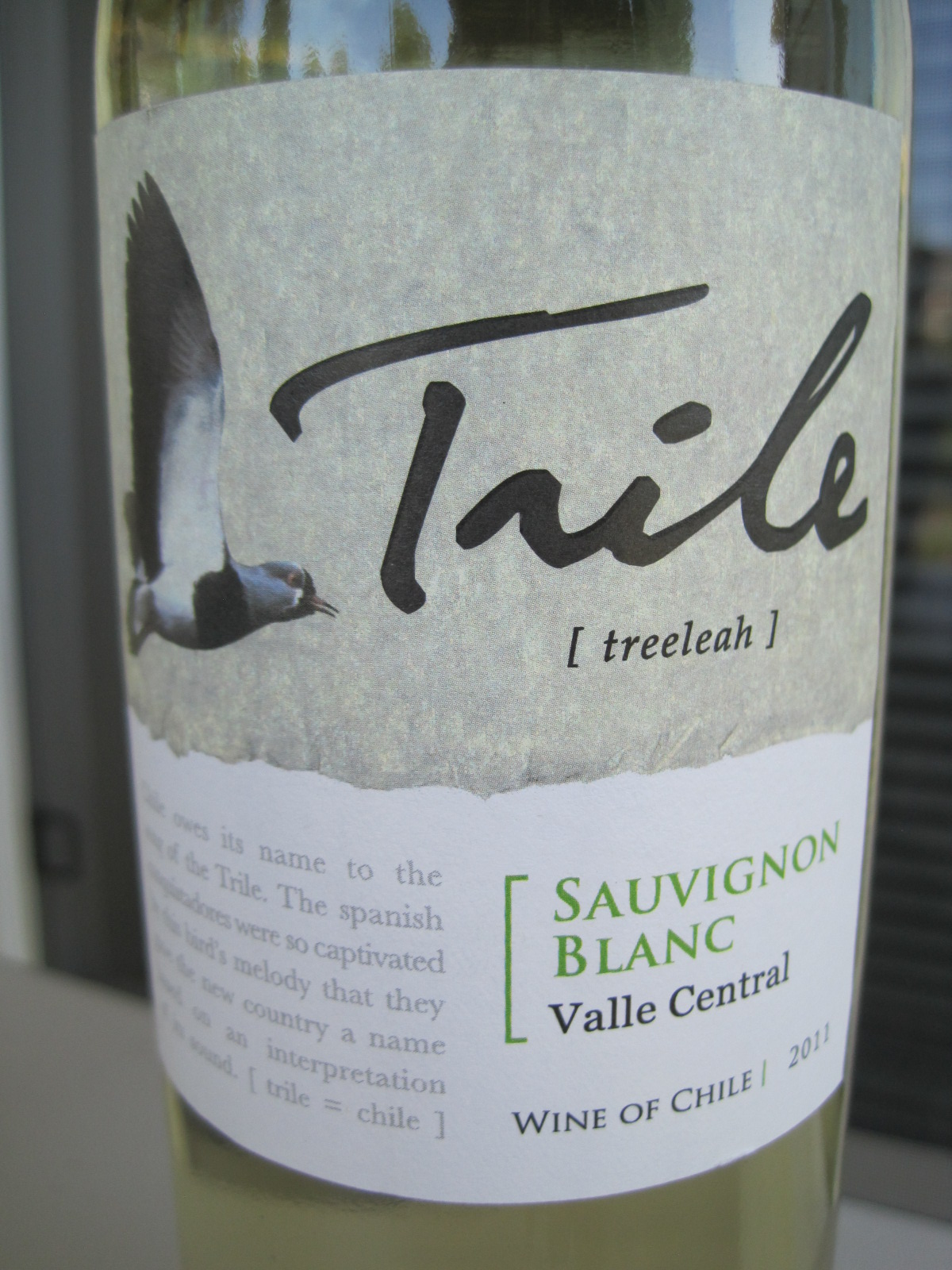
Sunday, March 25, 2012
Spring Wine Tasting Roundup
Since spring is on it's way, I wanted to post up some tasting notes from samples I've received over the past few months. There's something for everyone here, from a delicious sauvignon blanc from New Zealand, a couple of fun reds from California, and a wonderful Rioja at an unbeatable price point. A quick check on www.wine-searcher.com will help you find any of these wines, and most are available nationwide.
2010 Brancott B. Sauvignon Blanc Marlborough:
Aromas of grapefruit, cut grass, and wet rock immediately let you know it’s a New Zealand sauvignon blanc. There’s a whiff of passion fruit, ever so faint, weaving amongst the grassy bouquet.
There’s really nothing wrong with this wine, it’s clean with lots of acidity that shows up as more citrus elements intermixed with tropical fruit and a twist of minerality. A varietally honest sauvignon blanc, if one that’s somewhat generic. At the price, around $10 most places, it's a great everyday white wine for the spring weather.

2007 Brancott Terraces Pinot Noir Marlborough:
Lots of red fruit and wood initially, but the wood isn’t necessarily oak as much as tree bark. Notes of black tea, soil, and a red licorice component round out the bouquet. Interesting and enticing are the two words that sprung to mind.
Very clean flavors of cherry, raspberry, and forest floor are held together by an uplifting acidity that creates a very pleasant, light mouthfeel. The finish is airy but works well for this wine. Not an especially textured pinot noir by any means, but one that's very easy to drink and versatile.

2009 Francis Ford Coppola Director’s Cut Pinot Noir Sonoma Coast:
Nice bouquet of warm dark fruit, baking spice, vanilla, and a hint of wooden match. Seems a bit tight but it’s hard to imagine this wine needing age considering the price. I kept returning to the glass to smell it, because the way the baking spices and red fruit are integrated is quite alluring.
The palate is too light and uninteresting, with one dimensional notes of red fruit. The finish is evaporative and all too brief. I rarely say it, but this wine tastes cheap. A pity, since 2009 produced some exceptional pinot noir in California. After the wonderful bouquet, the mouthfeel is a huge letdown.

2009 La Follette Sangiacomo Vineyard Pinot Noir:
Smells of green herb, oak, but with pleasant notes of earth and spices. Not much fruit, and surprisingly no heat considering the labeled 15.5% abv.
Clunky acidity dominates the palate, with some raspberry and plum notes struggling to manifest. Bright, linear acidity traces a line through some forest-floor and vanilla flavors. I think this is a big pinot noir struggling to find it's place, and perhaps needs some age.

2006 Camp Viejo Reserva Rioja:
Strong aromas of sundried tomatoes, herbs, cherries, and dusty red soil. Very much what I would expect in a Rioja. Good complexity indicates the wine might be drinking near or at it’s peak. Some subtle smoked-meat is present but very faint, hopefully it would come through more after some time open.
Easy drinking, with a tannin framework surrounding flavors of dried cherry, soil, and dried herbs. Slightly rustic, in a charming way. Finishes cleanly, with some light acidity paving the way for another bite of food. A killer deal for under $10 in most markets. This is one to stock up on for those Wednesday night pizza sessions!

2009 Francis Ford Coppola Claret:
Black fruit, herbs, dusty soil and some woodsy aromas. Very straightforward and unoffensive. I did find a strange-ish campfire or barbecue aroma, it added to the bouquet, gave it a sense of uniqueness. Unfortunately the integration of the various grapes isn't happening as well as I'd like though, with disparate elements refusing to coexist.
Initially very expressive with black fruit and tannin, wood, and campfire but it quickly became a mess of sweet fruit. That jammy note stayed through till the finish, where a nice tannic streak came to the rescue. Although the finish was brief, I think the structure saved it. Tasted the next day with consistent notes.
2009 Mandolin Cabernet Sauvignon Central Coast:
Simple bouquet of red fruit, wood smoke, earth, and not much else. A bit disappointing, but for around $10 it's precisely what I would expect from a Central Coast cabernet at that price level.
On the palate, flavors of salted meat and cherries persist with flavors of sulfur (burnt match) and a leathery tannin component. Over time, the mouthfeel evolves nicely, lending some dried currant flavors that do wonders to make this wine more palatable. Tasted the next day, it was much more complete and enjoyable.

2009 Parlay “The Bookmaker” Red Table Wine California:
The bouquet is full of candied red fruit, herbs, and earth. Some funk is present, but it blows off quickly. Good complexity, and appealing scents kept drawing me back for more sniffs. There are a lot of grapes here including cabernet sauvignon, syrah, petite sirah, and petite verdot.
A very ripe, fruit-forward wine with lots of plum and black cherry. I noted a vanilla-wood taste as well, indicative of oak barrel aging (or oak chips). This is mouth-filling red that people who enjoy that style will probably love. Lacks acid for my palate though, and the finish is too sweet and ripe, needs to lighten up and taper off more gracefully. That said, for $20 it's a nice bottle of wine that delivers at the price point.
2009 Graffigna Centenario Reserve Malbec Mendoza:
Smokey baking spices, cherry preserve, and plums followed by oak-vanilla notes make up the bouquet. It's very typical for a low-priced malbec and smells delicious.
This wine is lush and soft, but goes nowhere with that. Rather insipid, and the tannin that builds through the mid palate essentially creates a framework for fruit that should be there but is nowhere to be found. Very disappointing. Tasted the next day with consistent notes.

2009 Mandolin Syrah Central Coast:
Stinky nose of sulfur and rotting wood. Very disappointing. Perhaps something went wrong during fermentation?
Overripe, gloppy fruit that is reminiscent of artificial plum flavoring. Hollow through to the finish where an acidic kick surprised me, but not in a good way. Expected a lot more from this wine considering how nice the cabernet sauvignon was.
The good, the bad, the ugly. With the prices of these wines ranging from $7 all the way up to almost $40, I should have expected nothing less. What struck me though was how "processed" some of these wines tasted. In winemaker-speak, they'd be called "heavily manipulated", to a wine geek they don't express any sense of place. Put more bluntly, most of the cheaper wines here tasted sterile, like they were designed to fit a preconceived notion of what the wine should taste like. That is the price we often pay for inexpensive wine though. I suppose though, that finding those rare gems that are at once inexpensive but also expressive is what makes them special.
All the wines in this feature were media samples for review purposes.
Beau Carufel
Aromas of grapefruit, cut grass, and wet rock immediately let you know it’s a New Zealand sauvignon blanc. There’s a whiff of passion fruit, ever so faint, weaving amongst the grassy bouquet.
There’s really nothing wrong with this wine, it’s clean with lots of acidity that shows up as more citrus elements intermixed with tropical fruit and a twist of minerality. A varietally honest sauvignon blanc, if one that’s somewhat generic. At the price, around $10 most places, it's a great everyday white wine for the spring weather.
2007 Brancott Terraces Pinot Noir Marlborough:
Lots of red fruit and wood initially, but the wood isn’t necessarily oak as much as tree bark. Notes of black tea, soil, and a red licorice component round out the bouquet. Interesting and enticing are the two words that sprung to mind.
Very clean flavors of cherry, raspberry, and forest floor are held together by an uplifting acidity that creates a very pleasant, light mouthfeel. The finish is airy but works well for this wine. Not an especially textured pinot noir by any means, but one that's very easy to drink and versatile.
2009 Francis Ford Coppola Director’s Cut Pinot Noir Sonoma Coast:
Nice bouquet of warm dark fruit, baking spice, vanilla, and a hint of wooden match. Seems a bit tight but it’s hard to imagine this wine needing age considering the price. I kept returning to the glass to smell it, because the way the baking spices and red fruit are integrated is quite alluring.
The palate is too light and uninteresting, with one dimensional notes of red fruit. The finish is evaporative and all too brief. I rarely say it, but this wine tastes cheap. A pity, since 2009 produced some exceptional pinot noir in California. After the wonderful bouquet, the mouthfeel is a huge letdown.
2009 La Follette Sangiacomo Vineyard Pinot Noir:
Smells of green herb, oak, but with pleasant notes of earth and spices. Not much fruit, and surprisingly no heat considering the labeled 15.5% abv.
Clunky acidity dominates the palate, with some raspberry and plum notes struggling to manifest. Bright, linear acidity traces a line through some forest-floor and vanilla flavors. I think this is a big pinot noir struggling to find it's place, and perhaps needs some age.
2006 Camp Viejo Reserva Rioja:
Strong aromas of sundried tomatoes, herbs, cherries, and dusty red soil. Very much what I would expect in a Rioja. Good complexity indicates the wine might be drinking near or at it’s peak. Some subtle smoked-meat is present but very faint, hopefully it would come through more after some time open.
Easy drinking, with a tannin framework surrounding flavors of dried cherry, soil, and dried herbs. Slightly rustic, in a charming way. Finishes cleanly, with some light acidity paving the way for another bite of food. A killer deal for under $10 in most markets. This is one to stock up on for those Wednesday night pizza sessions!
2009 Francis Ford Coppola Claret:
Black fruit, herbs, dusty soil and some woodsy aromas. Very straightforward and unoffensive. I did find a strange-ish campfire or barbecue aroma, it added to the bouquet, gave it a sense of uniqueness. Unfortunately the integration of the various grapes isn't happening as well as I'd like though, with disparate elements refusing to coexist.
Initially very expressive with black fruit and tannin, wood, and campfire but it quickly became a mess of sweet fruit. That jammy note stayed through till the finish, where a nice tannic streak came to the rescue. Although the finish was brief, I think the structure saved it. Tasted the next day with consistent notes.
Simple bouquet of red fruit, wood smoke, earth, and not much else. A bit disappointing, but for around $10 it's precisely what I would expect from a Central Coast cabernet at that price level.
On the palate, flavors of salted meat and cherries persist with flavors of sulfur (burnt match) and a leathery tannin component. Over time, the mouthfeel evolves nicely, lending some dried currant flavors that do wonders to make this wine more palatable. Tasted the next day, it was much more complete and enjoyable.
2009 Parlay “The Bookmaker” Red Table Wine California:
The bouquet is full of candied red fruit, herbs, and earth. Some funk is present, but it blows off quickly. Good complexity, and appealing scents kept drawing me back for more sniffs. There are a lot of grapes here including cabernet sauvignon, syrah, petite sirah, and petite verdot.
A very ripe, fruit-forward wine with lots of plum and black cherry. I noted a vanilla-wood taste as well, indicative of oak barrel aging (or oak chips). This is mouth-filling red that people who enjoy that style will probably love. Lacks acid for my palate though, and the finish is too sweet and ripe, needs to lighten up and taper off more gracefully. That said, for $20 it's a nice bottle of wine that delivers at the price point.
2009 Graffigna Centenario Reserve Malbec Mendoza:
Smokey baking spices, cherry preserve, and plums followed by oak-vanilla notes make up the bouquet. It's very typical for a low-priced malbec and smells delicious.
This wine is lush and soft, but goes nowhere with that. Rather insipid, and the tannin that builds through the mid palate essentially creates a framework for fruit that should be there but is nowhere to be found. Very disappointing. Tasted the next day with consistent notes.
2009 Mandolin Syrah Central Coast:
Stinky nose of sulfur and rotting wood. Very disappointing. Perhaps something went wrong during fermentation?
Overripe, gloppy fruit that is reminiscent of artificial plum flavoring. Hollow through to the finish where an acidic kick surprised me, but not in a good way. Expected a lot more from this wine considering how nice the cabernet sauvignon was.
The good, the bad, the ugly. With the prices of these wines ranging from $7 all the way up to almost $40, I should have expected nothing less. What struck me though was how "processed" some of these wines tasted. In winemaker-speak, they'd be called "heavily manipulated", to a wine geek they don't express any sense of place. Put more bluntly, most of the cheaper wines here tasted sterile, like they were designed to fit a preconceived notion of what the wine should taste like. That is the price we often pay for inexpensive wine though. I suppose though, that finding those rare gems that are at once inexpensive but also expressive is what makes them special.
All the wines in this feature were media samples for review purposes.
Beau Carufel
Labels:
2006,
2007,
2009,
2010,
Cabernet Sauvignon,
Claret,
Malbec,
Pinot Noir,
Rioja,
Sauvignon Blanc,
Syrah
Subscribe to:
Posts (Atom)


